
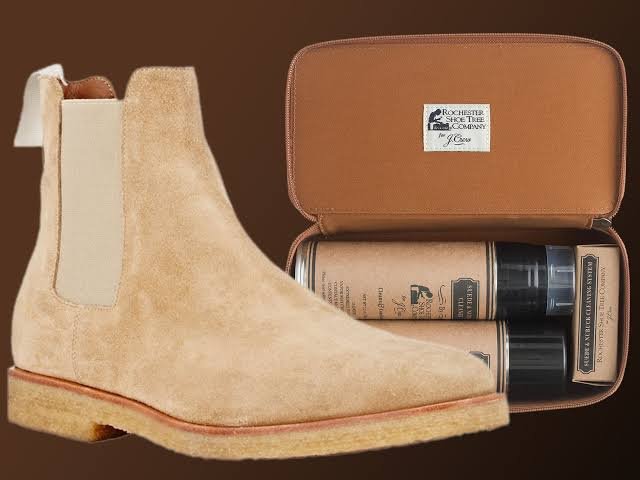
How to Care for Common Projects Suede Boots Without Damaging the Nap
Suede demands more attention than smooth leather, but the payoff is texture and color depth you can’t replicate any other way. Our suede boots are cut from full-grain European hides tanned to preserve the natural nap — that velvety surface you feel when you run your finger against the grain. It’s also the surface most vulnerable to water, salt, and abrasion if you skip the right care steps.
This guide walks through the cleaning, waterproofing, and storage practices we recommend for keeping suede in the condition it left our workshop. None of it is complicated, but the order matters — treating suede before you clean it, for example, locks in the dirt you’re trying to remove.
Why Suede Needs Different Care Than Smooth Leather
Smooth leather is the outer grain side of the hide, sealed with oils and waxes during tanning. Suede is the inner split, left unsealed so the fibers stand upright and create that soft, textured surface. Those exposed fibers soak up moisture and oils faster than a finished grain surface does, which is why water and salt leave visible marks so quickly.
The nap also traps dust and dirt between the fibers instead of sitting on top where you can wipe it away. That’s the reason suede needs a brush rather than a cloth — you’re lifting particles out from between the fibers, not just pushing them around on a flat surface. Once you understand that the texture you’re trying to preserve is also the feature that makes suede more absorbent and harder to clean, the rest of the care steps make sense.
Brushing and Dry Cleaning Before Any Liquid Treatment
Start every cleaning session with a dry suede brush — brass or nylon bristles stiff enough to lift the nap without tearing it. Brush in one direction first to raise the fibers, then reverse direction to lift out embedded dust. If you see a scuff or a shiny compressed spot, brush more firmly in short strokes perpendicular to the nap until the texture evens out.
For dry stains like mud or dust, let them dry completely before you brush. Wet stains need a suede eraser — a rubber block that crumbles as you rub it across the mark, pulling the stain particles away with the eraser debris. Only after dry cleaning do you consider a liquid cleaner, and even then only for stains that didn’t lift with the brush and eraser. Suede-specific cleaners are pH-balanced to avoid stripping the tannins that give the leather its color; dish soap and water will lighten the hide and leave water rings.
Waterproofing Without Changing the Texture
Spray vs. Wax-Based Protectants
Waterproofing suede means coating the fibers with a hydrophobic layer that repels water before it soaks into the nap. Spray protectants — silicone or fluoropolymer formulas — are the standard choice because they bond to the fibers without adding weight or shine. Wax-based products darken suede and flatten the nap, which defeats the reason you bought a textured leather in the first place.
Apply protectant spray outdoors or in a well-ventilated space, holding the can 6-8 inches from the boot and sweeping in even passes until the surface looks slightly damp but not soaked. Let it dry for at least 12 hours before wearing — the coating needs time to cure and bond to the fibers. Reapply every 4-6 weeks if you’re wearing the boots daily in wet or salty conditions; once a season is enough for occasional wear in dry weather.

Storage and Long-Term Maintenance
Suede hates two things: prolonged moisture and compression. Store boots in a cool, dry place away from direct sunlight, which fades the dye over time. If the boots got wet, stuff them with unprinted paper — newspaper ink can transfer onto light suede — and let them air-dry at room temperature. Never use a heater or a hair dryer; rapid drying shrinks the leather and hardens the nap.
Boot trees or rolled towels inside the shaft keep the leather from creasing and the nap from rubbing against itself during storage. If you’re storing suede for months, brush it clean first and apply a fresh coat of protectant so it’s ready to wear when you pull it out. The dense nap that makes our boots comfortable also makes them more prone to attracting dust in storage, so a quick brush before you put them away saves you harder cleaning later.
Keeping Suede in Rotation
Suede isn’t fragile if you treat it like what it is — an unsealed, textured leather that needs regular brushing and waterproofing rather than polishing and conditioning. The care takes five minutes after each wear and keeps the nap from turning into a flat, shiny surface that no longer looks or feels like suede.
We build our boots to last years, but the material only delivers on that if you maintain it. Brush after wearing, waterproof every few weeks, and store them dry with the nap aligned. That’s the difference between suede that stays soft and boots that end up stiff and darkened after one season.
Notes
No. Conditioners formulated for smooth leather contain oils and waxes that soak into suede and darken it permanently, often leaving uneven patches. Suede doesn’t need conditioning the way smooth leather does because the nap isn’t sealed — it’s already soft. If suede feels dry or stiff, it’s usually because it got wet and dried too fast, not because it needs oil.
Brush off as much dried salt as you can with a suede brush. Then dampen — don’t soak — a clean cloth with white vinegar diluted 1:1 with water, and blot the salt line gently. Let the boots dry naturally, then brush the nap back into alignment. Vinegar dissolves the salt without leaving the water rings that plain water would.
Nubuck is the outer grain side of the hide, sanded down to create a fine nap similar to suede. Suede is the inner split, so the fibers are coarser and the texture is deeper. Nubuck is more water-resistant because it starts from the tighter outer grain, but suede is softer and drapes better. Both need brushing and protectant, but nubuck tolerates moisture slightly better.
After every wear in dusty or dirty conditions, and at least once a week for regular wear. Brushing isn’t just cleaning — it realigns the fibers and keeps the nap from matting down into shiny flat spots. A quick 30-second brush after each wear prevents the kind of ingrained dirt that later requires a suede eraser or cleaner.
You can if they’re properly waterproofed, but suede will never be as weather-resistant as smooth leather or rubber. A good protectant spray makes water bead up and roll off instead of soaking in, but prolonged exposure in heavy rain will still darken the suede and require careful drying afterward. If rain is frequent where you are, save suede for dry days or treat it as a material that needs post-rain maintenance.
Brush the scuffed area firmly with a suede brush in multiple directions to raise the flattened fibers. If brushing alone doesn’t restore the nap, rub a suede eraser over the scuff in short strokes, then brush again. Most scuffs are just compressed fibers, not torn leather, so they’ll lift back up with enough friction.