
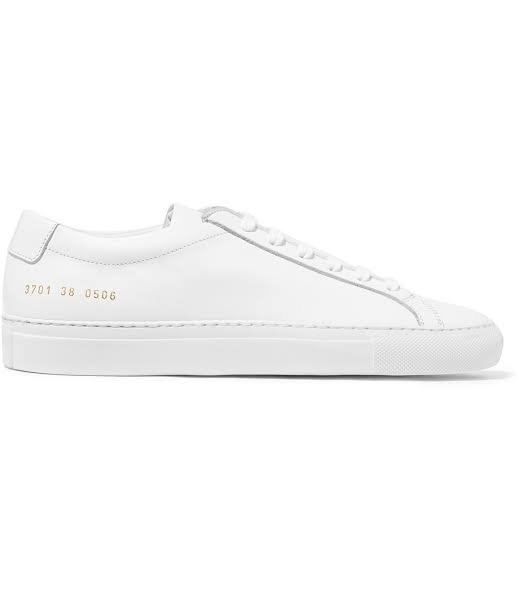
How to Clean Common Projects Achilles Low White Sneakers Without Damaging the Leather
White leather sneakers deliver a clean, minimalist look that works with nearly any outfit, but they also show every scuff and dirt mark. Common Projects white shoes are crafted from Italian calfskin, which demands a gentler approach than synthetic uppers or canvas. Using the wrong cleaner or scrubbing too hard can strip the natural oils from the leather, leaving it dry and prone to cracking.
This guide walks through the safest cleaning methods for white leather sneakers, the supplies you need, and how to maintain that pristine finish between deep cleans. Whether you’re dealing with daily dust or stubborn heel scuffs, a few careful steps keep the leather supple and the color bright.
What You Need Before You Start
Gather a soft-bristle brush (an old toothbrush works well), a microfiber cloth, a small bowl of lukewarm water, and a pH-neutral leather cleaner or mild dish soap. Avoid ammonia-based cleaners, bleach, or anything labeled as a degreaser—these strip the protective oils that keep leather flexible.
Remove the laces and set them aside for separate washing. Wipe down the exterior with a dry cloth to knock off loose dirt before you introduce any water. Starting with a dry brush prevents you from grinding grit into the leather’s grain, which can cause micro-scratches that dull the surface over time.
Step-by-Step Cleaning for Leather Uppers
Mix a few drops of leather cleaner or mild soap into lukewarm water until it just begins to foam. Dip your microfiber cloth into the solution, wring it out so it’s damp rather than soaking, and gently wipe the leather in small circular motions. Work one panel at a time—toe box, side panels, heel counter—rinsing and wringing the cloth frequently to avoid redepositing dirt.
For stubborn marks, use the soft-bristle brush dipped in the cleaning solution and apply light pressure in a back-and-forth motion. Leather is a porous material that absorbs water quickly, so keep your cloth or brush only slightly damp and never saturate the surface. After cleaning, wipe each section with a fresh damp cloth (water only) to remove any soap residue, then immediately follow with a dry microfiber towel.
Cleaning the Rubber Sole and Midsole
The rubber sole can tolerate more aggressive cleaning than the leather upper. Mix a slightly stronger solution of water and dish soap, dip an old toothbrush into it, and scrub the sole in firm circles. Pay extra attention to the seam where the sole meets the leather—dirt loves to collect there and can bleed onto the white upper if left too long.
For yellowed rubber, a paste of baking soda and water applied with a toothbrush can lift some discoloration, though true oxidation is hard to reverse entirely. Rinse the sole with a damp cloth and wipe away all soap before it dries. Let the shoes air-dry at room temperature, stuffing the interior with plain white paper towels to absorb moisture and help them hold their shape.

Maintaining White Leather Between Deep Cleans
Quick Daily Care
A dry microfiber cloth wiped over the sneakers after each wear removes surface dust before it bonds to the leather. For light scuffs that appear during the day, a white eraser (the kind used on pencil marks) gently rubbed over the mark often lifts it without any water.
Protective Treatments
Apply a leather protectant spray designed for white or light-colored leather once every few weeks. Hold the can eight to ten inches away and mist an even coat over the entire upper, then let it dry for at least two hours before wearing. This creates a thin barrier that repels water and makes future cleaning easier, though it won’t prevent all staining if you step in something oily or heavily pigmented.

What to Avoid When Cleaning White Leather
Never put leather sneakers in a washing machine—the agitation and prolonged water exposure will warp the shape and crack the leather. Skip the dryer and direct heat sources like radiators or hair dryers; high heat dries out the natural oils too quickly, leaving the leather stiff and brittle. Colored cloths or dyed paper towels can transfer pigment onto wet white leather, so use only white microfiber or undyed cotton.
Avoid acetone-based nail polish remover or rubbing alcohol for spot cleaning. While they might lift a stain in the short term, both solvents strip the finish and leave a dull, discolored patch that’s harder to fix than the original mark. If a stain resists gentle soap and water, take the shoes to a professional leather cleaner rather than experimenting with harsher chemicals.
Keeping Your White Leather Sneakers Looking New
Regular care makes a bigger difference than occasional deep cleaning. A quick wipe after each wear prevents dirt from settling into the leather’s pores, and a light protective spray adds a layer of defense against everyday wear. When you do need to clean, gentle products and patience protect the leather’s natural suppleness far better than aggressive scrubbing.
If a stain proves stubborn or the leather starts to feel dry despite conditioning, a professional cleaner who specializes in leather footwear can restore the finish without risking damage. With the right routine, white leather sneakers stay bright and flexible season after season.
Notes
Wipe them down with a dry cloth after every few wears to prevent buildup. A full cleaning with soap and water is needed only when you see visible dirt or scuffs that the dry cloth won’t remove—for most people, that’s every two to four weeks depending on how often the shoes are worn and the conditions they’re worn in.
Baby wipes are generally safe because they’re mild and low in alcohol, but check the ingredient list first. Disinfectant wipes often contain isopropyl alcohol or bleach, both of which can discolor or dry out leather. Stick to products specifically labeled as leather-safe or use plain water with a drop of mild soap.
Stuff the interior with plain white paper towels or newspaper to absorb moisture and maintain the shoe’s shape. Set them in a well-ventilated area at room temperature, away from direct sunlight or heat sources. Full drying usually takes twelve to twenty-four hours depending on how damp the leather got during cleaning.
Surface scuffs and dirt marks typically lift with gentle soap and water or a white eraser. Deep scratches that cut into the leather grain are harder to fix at home—they may lighten slightly but usually require a professional leather repair service to fill and refinish the damaged area.
Magic erasers are mildly abrasive and can remove the top finish layer of leather if you press too hard or scrub repeatedly. Use them only as a last resort on stubborn sole marks, applying very light pressure and testing on a hidden spot first. For the leather upper, a white pencil eraser is gentler and just as effective for most scuffs.
Remove the laces and soak them in a bowl of warm water with a small amount of laundry detergent or dish soap for ten to fifteen minutes. Scrub them gently with your fingers or a soft brush, rinse under running water, and lay them flat on a towel to air-dry. If the laces are heavily stained or frayed, replacing them is inexpensive and instantly refreshes the shoe’s appearance.